 how to not give a fuck
abstinence from psychoactive drugs
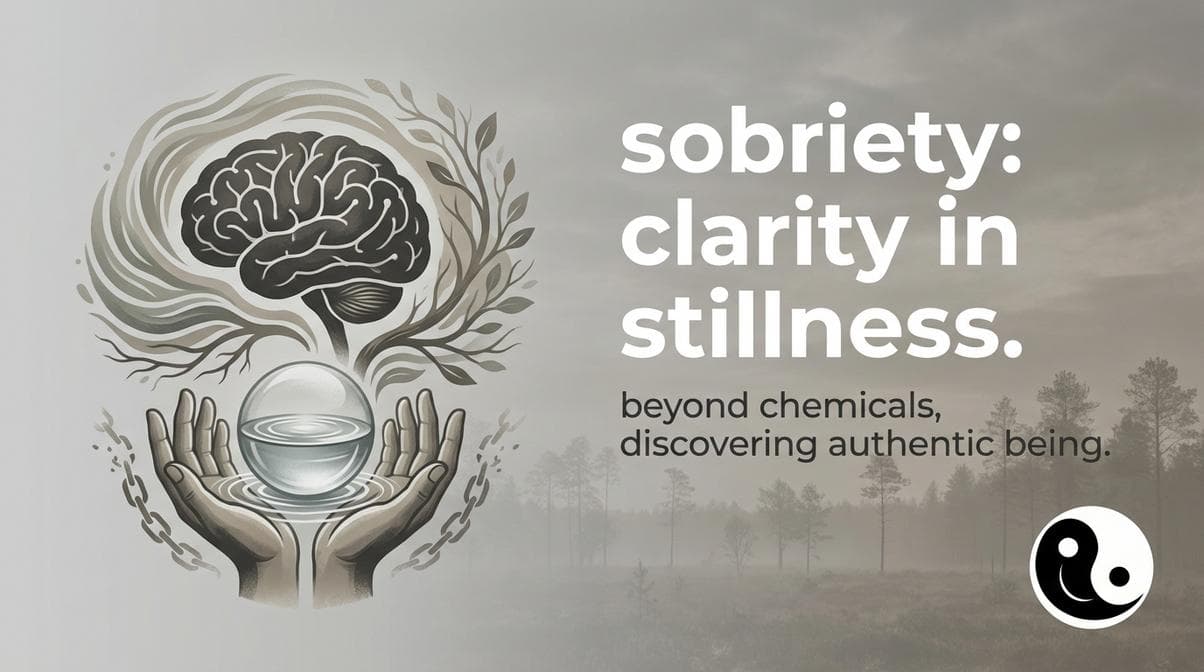
you don't know what sober feels like
"I don't have a problem." maybe not. but when's the last time you went a full month without coffee, alcohol, cannabis, nicotine, or any other psychoactive substance? if you can't remember, you might not have a problem in the clinical sense, but you definitely don't know what your brain actually feels like without chemical assistance.
the challenge
30 days. no psychoactive drugs. that includes:
- alcohol — yes, even wine with dinner
- caffeine — yes, even your morning coffee
- cannabis — yes, even "just to relax"
- nicotine — all forms
- anything else that alters your mental state (consult your doctor about prescription medications — those are a different conversation)
why this matters
every psychoactive substance creates an artificial baseline. caffeine makes you feel alert by blocking adenosine receptors — but your body compensates by producing more adenosine receptors, which is why you need more caffeine over time just to feel "normal."
alcohol relaxes you by enhancing GABA and suppressing glutamate — but your brain compensates by upregulating excitatory neurotransmitters, which is why you feel anxious when you don't drink.
you think your "normal" state includes these substances. it doesn't. your "normal" state is what's underneath them, and you might not have experienced it in years.
what to expect
days 1-7: caffeine withdrawal headaches. possible irritability if you use alcohol or cannabis regularly. sleep disruption. this is your brain recalibrating.
days 7-14: the acute withdrawal passes. you start to notice your natural energy rhythms. some people find they actually have more energy without caffeine than with it.
days 14-30: this is where it gets interesting. your natural mood stabilizes. sleep quality improves dramatically. you start to recognize what genuine baseline feels like — no peaks, no crashes, just you.
the point
you don't have to quit everything forever. the point is awareness. know what your unadulterated brain feels like. then make informed choices about which substances (if any) you want to reintroduce and why.
dependence isn't always dramatic. sometimes it's just never knowing who you are without the crutch.
if this resonated, share it with someone who needs to hear it.