 how to not give a fuck
check body fat
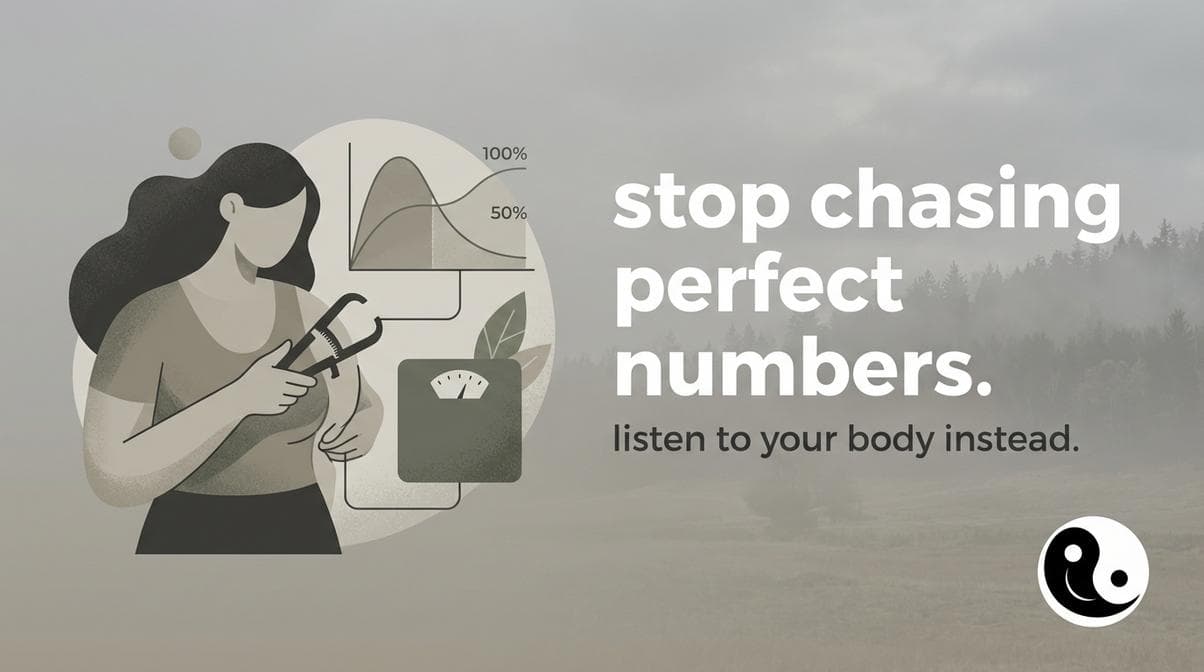
step on a scale and it gives you a number. that number tells you almost nothing useful. a 200-pound person could be a muscular athlete or someone who hasn't moved in a year. weight alone is meaningless without context.
why body fat matters more
body fat percentage is the ratio of fat to everything else in your body. it's the number that actually correlates with health outcomes, energy levels, and how you feel in your own skin. two people at identical weights can have wildly different body compositions and wildly different health profiles.
the scale goes up when you build muscle. the scale goes up when you drink water. the scale fluctuates based on what you ate yesterday. body fat percentage cuts through all that noise and gives you a real picture of what's happening.
how to measure it
you don't need an expensive DEXA scan (though those are the gold standard). grab a set of body fat calipers for under $10. learn the 3-site or 7-site method from any fitness resource. it takes two minutes.
the key is consistency:
- measure at the same time of day
- use the same sites every time
- track the trend over weeks, not individual measurements
- don't obsess over the absolute number -- focus on the direction
some smart scales also estimate body fat using bioelectrical impedance. they're less accurate than calipers but better than nothing, and the convenience means you'll actually do it regularly.
the real benefit
once you track body fat instead of weight, your relationship with fitness changes. you stop panicking when the scale goes up because you gained muscle. you stop celebrating when the scale drops because you were dehydrated. you start making decisions based on what's actually happening in your body instead of a single misleading number.
start today
order calipers or use the smart scale you already own. take your first measurement. write it down. measure again in two weeks. this is how real progress tracking works.
if this resonated, share it with someone who needs to hear it.