 how to not give a fuck
help someone in need
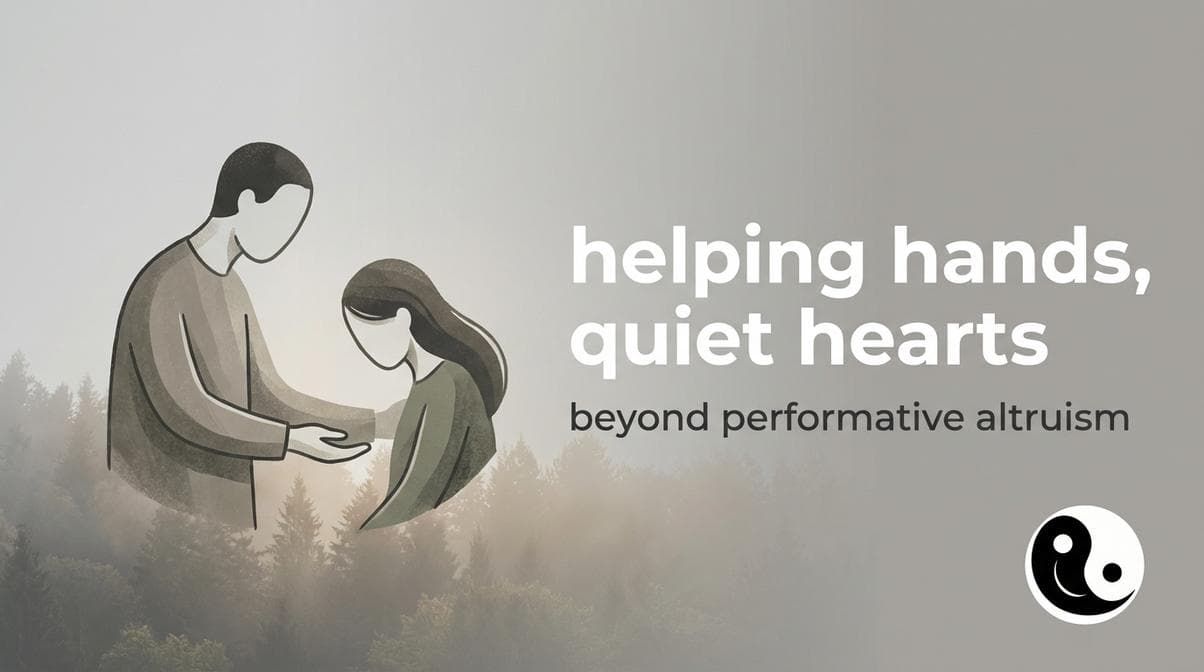
you're reading this on a device that costs more than some people earn in a month. you have internet access, literacy, leisure time, and presumably a roof over your head. you're already winning a game that billions of people are losing.
but you don't feel that way most of the time, do you? that's because gratitude doesn't come from knowing you're fortunate. it comes from experiencing the contrast firsthand.
the perspective machine
helping someone in genuine need isn't about being a good person (though that's a nice side effect). it's about recalibrating your internal compass. when you spend time with someone whose problems dwarf yours — real problems, not "my latte order was wrong" problems — something shifts in your perception.
your own complaints start sounding thin. your frustrations shrink to their actual size. the things you've been anxious about reveal themselves as the manageable inconveniences they always were.
how to actually do it
this isn't about writing a check (though donations help). it's about proximity. you need to be physically present with people who need help.
- volunteer at a shelter — serving meals, organizing supplies, just being present.
- visit an elderly care facility — many residents have zero visitors. show up and listen.
- mentor someone younger — a kid without guidance benefits enormously from an adult who cares.
- help a neighbor — the elderly person on your street who needs their lawn mowed or groceries carried.
the key is doing something that requires your time and attention, not just your money. money is easy to give. presence is not.
the selfish truth
let's be honest about the real benefit: it's not about them. it's about you. every act of genuine helping produces a neurochemical cocktail — oxytocin, serotonin, dopamine — that no purchase can match. researchers call it the "helper's high," and it's one of the most reliable mood elevators ever studied.
more importantly, it produces gratitude. real gratitude, not the forced "gratitude journaling" kind. the kind that arises naturally when you see your own life through the lens of someone who would trade everything for what you already have.
you don't help others because you should. you help others because it's the fastest way to remember what you've been taking for granted.
if this resonated, share it with someone who needs to hear it.