 how to not give a fuck
learn about corporate formation
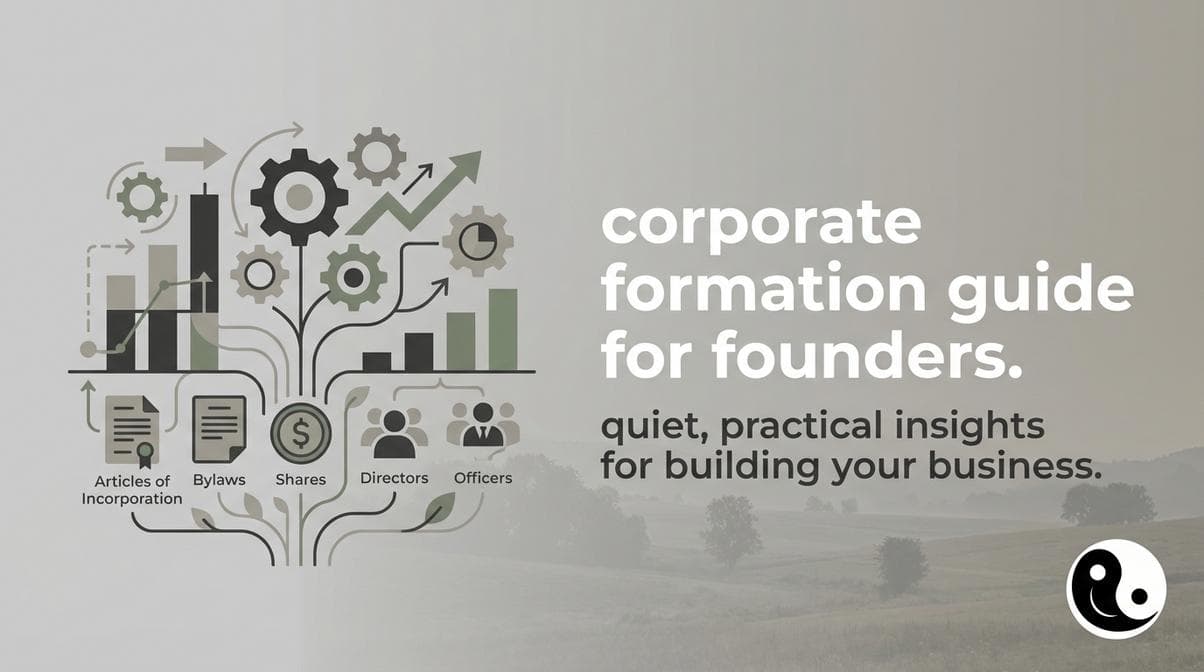
you pay taxes as an individual, and then you spend what's left. businesses spend first, and then pay taxes on what's left. that single difference changes everything.
the game you're not playing
the tax system isn't neutral. it's structured to incentivize specific behavior — namely, creating businesses that produce value and generate jobs. whether you agree with that philosophy or not, ignoring it is leaving money on the table.
most people spend their entire careers earning income as W-2 employees, never realizing that the same income received through a business entity could be taxed significantly differently.
the basics worth knowing
sole proprietorship — the simplest structure. no formal registration needed, but you're personally liable for everything. fine for freelancers starting out.
LLC (limited liability company) — separates your personal assets from business liabilities. can be taxed as a sole prop, partnership, or S-corp depending on what's most advantageous.
S-corporation — allows you to split income between salary and distributions, potentially reducing self-employment taxes. there's a reason every accountant eventually suggests this.
C-corporation — separate tax entity entirely. double taxation on profits, but opens doors for benefits, retained earnings, and investor funding.
what this means for you
you don't need a startup idea or a product to benefit from understanding corporate formation. freelancers, consultants, side-hustlers, and even full-time employees with marketable skills can restructure how they earn and keep money.
a basic conversation with a CPA about your specific situation could save you thousands annually. that's not an exaggeration — it's math.
the homework
read the basics of each entity type. schedule a consultation with a tax professional. ask specifically: "given my income and situation, what structure would minimize my tax burden legally?"
financial literacy isn't optional anymore. the tax code rewards those who understand it. be one of them.
if this resonated, share it with someone who needs to hear it.