 how to not give a fuck
play a prank on someone
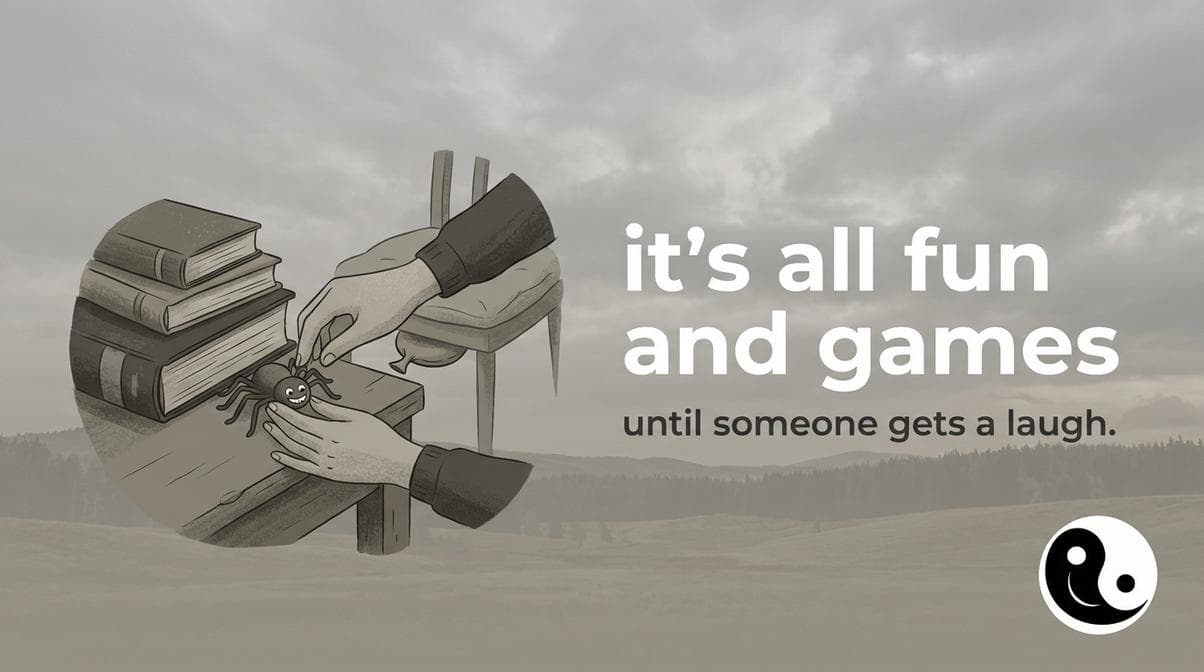
when did you get so serious? somewhere between childhood and now, you decided that playfulness was immature and every interaction needed to be productive. that's not maturity. that's boring.
the case for being ridiculous
humor and playfulness aren't signs of immaturity — they're signs of psychological health. research consistently shows that laughter reduces cortisol, strengthens immune function, releases endorphins, and deepens social bonds.
a well-executed prank is concentrated playfulness. it requires creativity, planning, timing, and the willingness to be silly. all things that most adults have tragically abandoned.
the rules of pranking
good pranks follow a code:
rule 1: the target should laugh harder than you. if only you think it's funny, it's not a prank — it's bullying.
rule 2: no damage. property, reputation, relationships — nothing should be harmed. if cleanup takes longer than 5 minutes, you've gone too far.
rule 3: know your audience. what's hilarious to your best friend might be devastating to your anxious coworker. read the room.
rule 4: own it. don't drag it out. reveal quickly. laugh together.
prank ideas that won't get you fired
- wrap a coworker's desk items in aluminum foil
- replace a family photo with a stock photo and see how long it takes them to notice
- put googly eyes on everything in the fridge
- change someone's phone autocorrect to replace "the" with "taco"
- put a fake "voice-activated" sign on the office printer
why this actually matters
playfulness is a form of social courage. it requires you to risk looking foolish, to prioritize fun over efficiency, and to create a moment of joy in someone else's day.
in a world that's increasingly anxious, divided, and grim — choosing to be playful is a small act of rebellion. it says "i refuse to take all of this so seriously that i forget to laugh."
it's april 1st. go make someone's day weirder.
if this resonated, share it with someone who needs to hear it.